Pre-Charting With AI: Preparing for Patient Visits Automatically
AI pre-charting tools scan the EHR and prepare visit summaries automatically, saving 8-15 minutes per session and reducing same-day rework.

By Fatih Aktas, Founder & CEO
Published
The work before the work
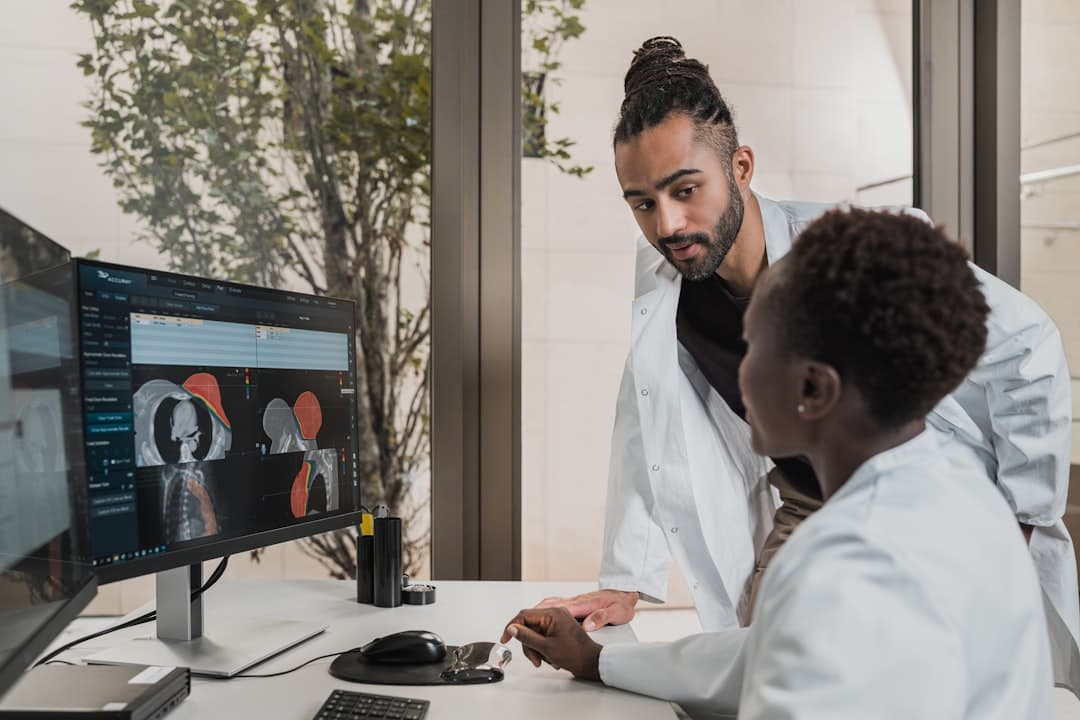
Before you see a single patient, there's prep work. Pull up the chart. Review the last visit note. Check recent labs. Scan the medication list. Look for any incoming referral documents or imaging results. Figure out why the patient is here today.
For a straightforward follow-up with a healthy patient, this takes 2 to 3 minutes. For a complex patient with multiple specialists, recent hospitalizations and a stack of new results, chart prep can eat 10 to 15 minutes. And that time comes from somewhere - either from the patients visit, from the gap between patients, or from the morning before clinic starts.
AI pre-charting automates this entire process. The system scans the EHR before each visit and prepares a concise summary of everything you need to know, formatted so you can review it in 60 to 90 seconds.
What AI pre-charting pulls together
A good pre-chart summary synthesizes information from multiple EHR sources into a single, scannable document. Instead of clicking through five different tabs, you get one page that covers:
- Reason for visit: The scheduled appointment reason plus any patient-reported symptoms from a portal message or intake form
- Active problem list: Current diagnoses with recent changes highlighted
- Medication summary: Current medications with any recent changes flagged, including prescriptions from other providers
- Recent lab results: Key values with trends (HbA1c over the last three visits, creatinine trend, lipid panel changes)
- Pending orders and results: Tests that were ordered but haven't been completed or reviewed
- Recent specialist notes: Summaries of consultations since the last primary care visit
- Care gaps: Overdue screenings, vaccinations or preventive care items based on age and diagnosis
- Last visit summary: Key decisions and follow-up items from the previous encounter
This information already exists in the EHR. The AI doesn't create new data. It aggregates and prioritizes it so you don't have to hunt for it.
The time savings are real
Early data on AI pre-charting tools shows time savings of 8 to 15 minutes per provider per clinic session. That's not per patient - it's per session, which typically means per half-day.
That number comes from two sources. First, the direct time saved by not manually reviewing charts before each visit. Second, the indirect time saved by catching issues before they cause disruptions during the visit.
For example: a pre-chart summary might flag that a patient's prior authorization for an upcoming MRI was denied. Without pre-charting, you'd discover this during the visit, then scramble to figure out the next steps while the patient waits. With pre-charting, your staff can address the denial before the patient arrives.
Practices using AI pre-charting report that 70 to 80% of issues that used to cause same-day rework are caught early. That's fewer disruptions, fewer callbacks to patients and smoother clinic flow.
Pre-charting for different visit types
The value of AI pre-charting varies by visit type and patient complexity.
New patient visits: Pre-charting pulls together any available records from referrals, health information exchanges and patient-submitted questionnaires. For a new patient with an extensive medical history, this can save 10+ minutes of chart review.
Chronic disease follow-ups: The AI highlights trend data - HbA1c over time, blood pressure readings over the last six months, weight changes - so you can spot patterns immediately instead of scrolling through individual results.
Post-hospitalization follow-ups: Pre-charting summarizes the discharge summary, medication changes made during the hospitalization, pending follow-up items and any new diagnoses. These visits are notoriously complex without advance preparation.
Annual wellness visits: The AI identifies care gaps, overdue screenings and preventive measures based on the patients age, gender and active diagnoses. This turns the wellness visit checklist from a manual exercise into an automated summary.
Connecting pre-charting to visit documentation
Pre-charting and AI documentation work best as a connected workflow. The pre-chart prepares you for the visit. The AI scribe documents what happens during the visit. Together, they eliminate documentation work before and after the encounter.
A seamless flow looks like this:
- AI pre-chart summary arrives before the patient (reviewed in 60-90 seconds)
- You walk in prepared, knowing the patients history, recent results and reason for visit
- The AI scribe captures the encounter conversation in real time
- A completed note generates immediately, informed by both the encounter transcript and the pre-chart context
- You review, edit and sign in under two minutes
No chart prep time. No post-visit documentation time. The AI handles both bookends, and you focus on what happens between them.
Transcribe Health prepares you for every visit and documents it when it's done. AI pre-charting gives you the full clinical picture before you walk in, and real-time transcription captures everything that happens next. Prepared visits. Completed charts. Less time in the EHR.
Related Articles
How to Streamline Your Clinical Workflow With AI Documentation
A practical guide to integrating AI documentation into your clinical workflow to see more patients, write better notes, and leave on time.
Clinical WorkflowsHow Much Time Physicians Spend on Documentation (and How to Cut It)
Physicians spend up to 2.3 hours documenting for every 8 hours of patient care. Here's where the time goes and how to get it back.
Clinical WorkflowsNote Bloat in EHR Systems and How AI Scribes Fix It
EHR note bloat makes clinical notes harder to read and less useful. Learn how AI scribes produce concise, accurate documentation.
Ready to Try AI-Powered Documentation?
Join thousands of healthcare providers saving hours every day with Transcribe Health.
Start Free Trial