
AI Medical Scribe for OB/GYN and Women's Health
OB/GYN documentation spans prenatal care, labor and delivery, gynecologic surgery and more. Here's how AI scribes handle it all.

By Fatih Aktas, Founder & CEO
Published
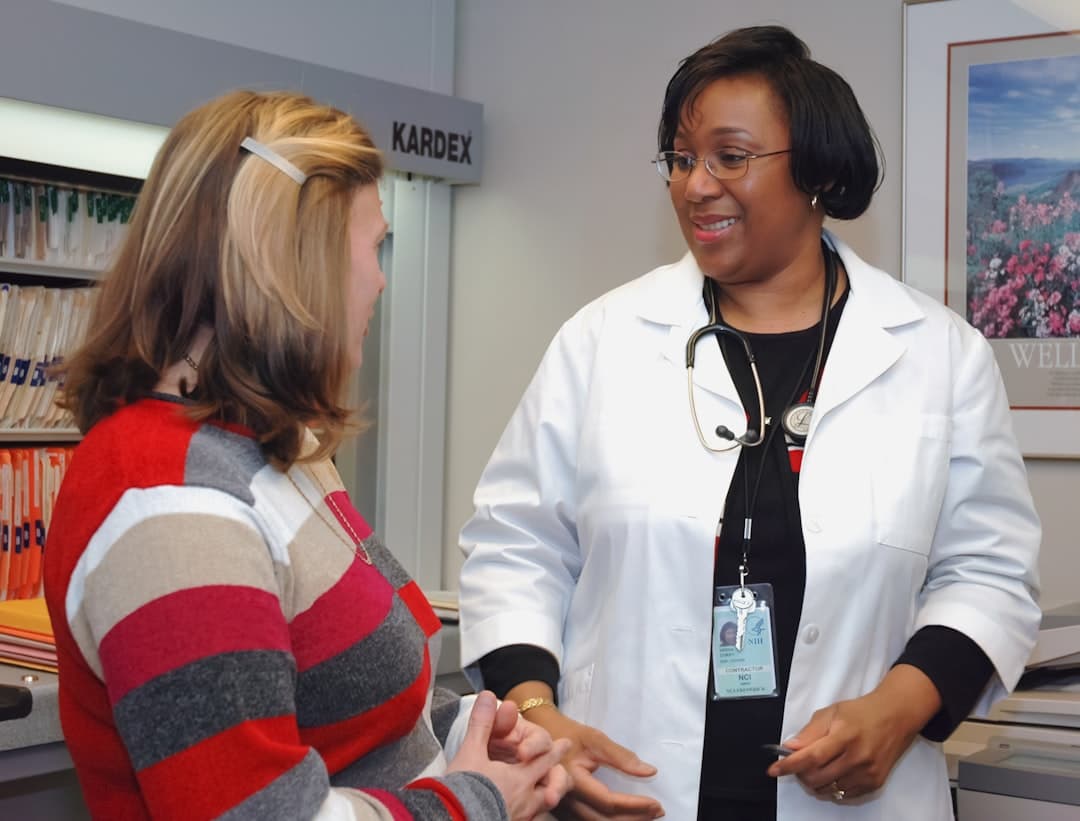
OB/GYN covers more clinical ground than almost any other specialty
Few specialties match the breadth of OB/GYN. In a single day, an OB/GYN might perform a cesarean section, manage prenatal visits, evaluate pelvic pain, counsel a patient on contraception, perform a colposcopy and deliver a baby. Each encounter type has distinct documentation requirements.
This breadth creates a documentation challenge that compounds over a busy clinical schedule. An OB/GYN seeing 25-30 patients per day in clinic, plus surgeries and deliveries, generates an enormous volume of documentation. The notes range from quick contraceptive counseling encounters to detailed operative reports.
AI scribes fit naturally into OB/GYN practice because so much of the clinical encounter is conversational. History taking, counseling, shared decision-making and patient education are all verbal activities that AI can capture and structure into documentation.
Prenatal care documentation
Prenatal visits follow a structured cadence that generates predictable documentation at each stage.
First prenatal visit
The initial OB visit produces the most comprehensive note in prenatal care:
- Complete obstetric history (gravida, para, term, preterm, abortions, living)
- Detailed menstrual history with dating criteria
- Medical, surgical and family history with obstetric relevance
- Social history including substance use screening
- Initial labs ordered and reviewed
- Risk assessment for genetic screening
- Physical examination including initial pelvic exam
- Estimated due date with dating method
- Plan for prenatal care schedule
AI scribes capture this extensive history as the physician conducts the interview, organizing the information into standard OB intake documentation format.
Routine prenatal visits
Follow-up prenatal visits are shorter but generate documentation at every visit:
- Gestational age
- Interval history (new symptoms, fetal movement, contractions)
- Vital signs including weight tracking
- Fundal height measurement
- Fetal heart tones
- Urine dipstick results
- Lab results review when applicable
- Assessment and plan for current gestational age
The documentation follows a predictable pattern but must be completed accurately at every visit. AI scribes standardize this documentation so nothing gets missed, even during a rushed clinic day.
High-risk prenatal documentation
High-risk pregnancies generate additional documentation requirements:
- Detailed reasoning for high-risk classification
- Specialist consultation notes and coordination
- Non-stress test and biophysical profile results
- Growth scan interpretations with interval comparisons
- Counseling about risks specific to the patients condition
- Delivery planning documentation for complicated pregnancies
Labor and delivery documentation
L&D documentation happens in real time, often while the clinical situation is still unfolding.
Admission assessment: Presenting complaint, contraction pattern, membrane status, cervical exam, fetal heart rate tracing interpretation, GBS status, birth plan review.
Labor progress notes: Serial cervical exams with timestamps, contraction patterns, fetal heart rate tracing assessments, interventions (pitocin, epidural, amniotomy), and clinical decision-making documentation.
Delivery note: Type of delivery, presentation, any complications (shoulder dystocia, cord issues, laceration), time of delivery, Apgar scores, estimated blood loss, placenta delivery and inspection, repair of lacerations.
Operative delivery documentation: For cesarean sections, vacuum or forceps deliveries, detailed operative notes with indication, technique, findings and outcomes.
AI scribes in the L&D setting capture physician verbal documentation in real time. When the physician announces findings during labor checks or describes delivery events, the AI structures this into appropriate documentation. L&D physicians often can't stop to type during active patient care, so real-time capture matters.
Gynecologic visit documentation
Annual well-woman exams
Well-woman visits include:
- Menstrual history and any changes
- Contraception counseling and management
- Cancer screening (cervical, breast) with documentation of screening guidelines followed
- STI screening when indicated
- Pelvic exam findings
- Breast exam findings
- Counseling on preventive health topics
- Menopausal symptom assessment for appropriate age groups
Gynecologic problem visits
Common gynecologic presentations require specific documentation:
Abnormal uterine bleeding: Bleeding pattern description (frequency, duration, volume), impact on quality of life, workup results (labs, imaging), medical and surgical treatment options discussed.
Pelvic pain: Pain characteristics (location, timing, relationship to cycle, associated symptoms), physical exam findings, imaging results, differential diagnosis with supporting documentation.
Contraceptive management: Method selected, risks and benefits discussed, alternatives offered, informed consent documentation. For procedures like IUD insertion, technique documentation with any complications.
Menopausal management: Vasomotor symptom assessment, bone health evaluation, cardiovascular risk discussion, hormone therapy counseling with risk-benefit analysis.
Gynecologic surgery documentation
OB/GYNs perform a wide range of surgical procedures, each requiring detailed operative reports:
- Hysteroscopy: Indication, findings, any operative interventions
- Laparoscopy: Port placement, findings, procedures performed, specimen handling
- Hysterectomy: Approach (vaginal, laparoscopic, abdominal, robotic), technique, complications, specimen
- Colposcopy: Indication, findings by zone, biopsy locations, ECC if performed
- LEEP/excisional procedures: Indication, specimen dimensions, hemostasis technique
AI scribes support surgical documentation through templated operative reports that the surgeon customizes with case-specific details via verbal dictation.
Sensitive encounter considerations
OB/GYN encounters frequently involve sensitive topics that require both documentation accuracy and patient sensitivity:
- Pregnancy loss: Compassionate documentation of miscarriage management, including patient counseling and emotional support provided
- Infertility discussions: Treatment options, counseling about success rates, documentation of shared decision-making. Practices with a dedicated fertility program should also read our guide on AI scribes for IVF and fertility clinics, which covers cycle monitoring, retrieval and transfer documentation in depth.
- Sexual health screening: STI testing discussions, partner notification counseling, documentation of positive results and treatment
- Domestic violence screening: Documentation of screening performed, results and any safety interventions
- Pregnancy termination: Clinical documentation of counseling, informed consent and medical decision-making within applicable legal frameworks
AI scribes handling these encounters need to produce documentation that's clinically complete without being unnecessarily detailed about emotional content that could feel invasive if the patient reads their record.
What OB/GYN providers should look for
When evaluating AI scribes for OB/GYN practice:
- Prenatal visit standardization - consistent capture of gestational-age-appropriate elements
- L&D real-time documentation - note generation that keeps pace with labor and delivery
- Surgical documentation support - operative reports for gynecologic procedures
- Screening documentation - capture of preventive care discussions and shared decision-making
- Sensitivity in documentation - appropriate clinical language for sensitive encounters
- Multi-visit continuity - tracking across the prenatal care continuum
Transcribe Health supports the full scope of OB/GYN documentation, from first prenatal visit to delivery to gynecologic surgery, with specialty-specific AI that handles the unique documentation demands of women's health.
Related Articles
AI Medical Scribe for IVF and Fertility Clinics
IVF documentation is complex, time-sensitive, and detail-critical. Learn how AI scribes handle cycle monitoring, egg retrieval notes, embryo transfer documentation, and fertility-specific workflows.
Clinical WorkflowsDocumenting GLP-1 and Weight-Management Visits With an AI Scribe
GLP-1 prescribing has reshaped primary care visits. Here is how an AI scribe captures the dosing, monitoring, side effects, and prior-authorization detail these encounters demand.
Clinical WorkflowsAI Medical Scribe for Allergy and Immunology Practices
Allergy and immunology documentation involves complex testing protocols, immunotherapy tracking, and detailed reaction histories. See how AI scribes streamline it all.
Ready to Try AI-Powered Documentation?
Join thousands of healthcare providers saving hours every day with Transcribe Health.
Start Free Trial