AI Medical Scribe for Emergency Medicine
Emergency departments move fast with high-acuity patients and constant interruptions. Here's how AI scribes handle ED documentation.

By Fatih Aktas, Founder & CEO
Published
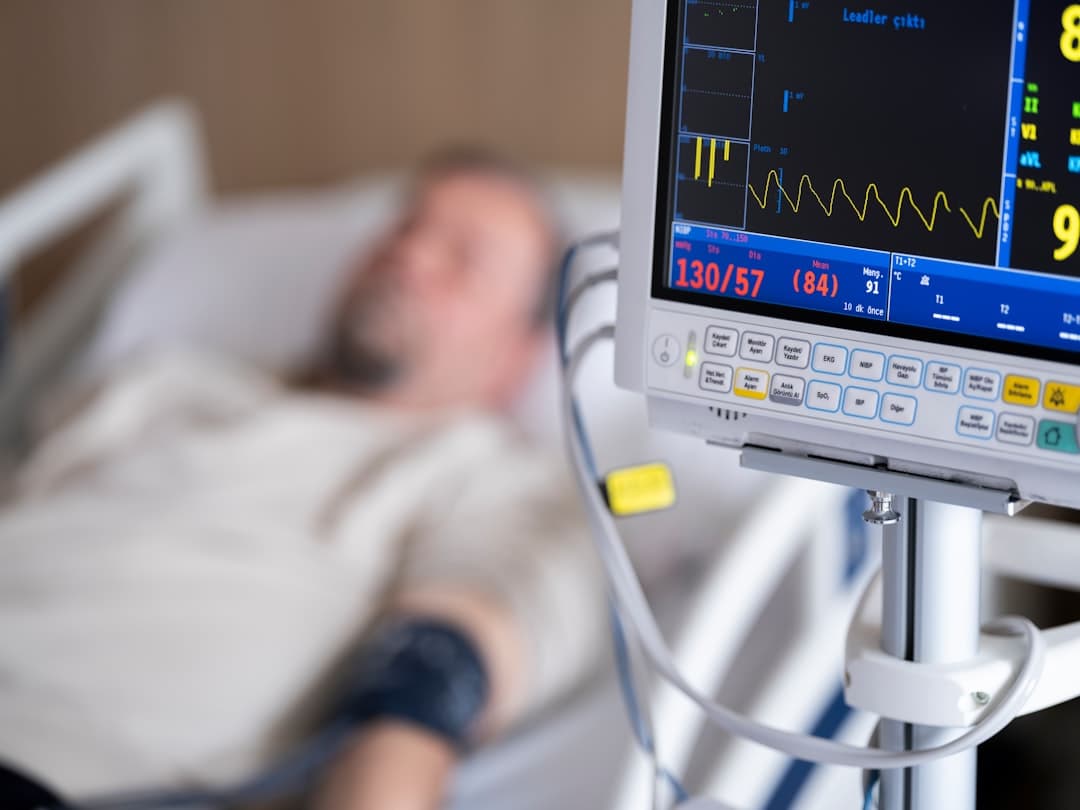
The ED documentation problem is different from everywhere else
Emergency medicine physicians don't have the luxury of structured schedules. Patients arrive unpredictably. Acuity varies wildly from chest pain to sprained ankles. Interruptions are constant. And documentation needs to happen for every single encounter, no matter how chaotic the shift gets.
The average ED physician manages 2.5 patients per hour during a typical shift. Over a 10-hour shift, that's 25 patient encounters, each generating a clinical note that needs to capture the presentation, workup, medical decision-making and disposition. Many ED physicians spend 1-2 hours after their shift finishing documentation. Some carry incomplete notes for days.
AI scribes address this bottleneck directly. They capture the encounter as it happens, generate documentation in real time and free the emergency physician to focus on clinical care. In a specialty where minutes matter, eliminating documentation delays is meaningful.
Why standard AI scribes struggle in the ED
The emergency department presents unique challenges that not every AI scribe handles well.
Interruptions are the norm, not the exception. An ED physician assessing a patient with abdominal pain will get interrupted by a nurse asking about medication orders for another patient, a consultant calling back about a third patient and a trauma activation overhead. The AI needs to maintain the documentation thread despite these interruptions and resume capturing the encounter when the physician returns.
Multiple encounters overlap. ED physicians don't see one patient at a time. They toggle between 4-6 active patients, returning to each one as results come back or as new information emerges. The AI scribe needs to associate documentation with the correct patient even when conversations about different patients happen in rapid succession.
Time documentation is medically and legally relevant. When a patient arrived, when they were seen, when results were reviewed, when disposition decisions were made. These timestamps matter for quality metrics, billing and medicolegal purposes. AI scribes in the ED should timestamp key events automatically.
Acuity ranges from routine to critical. The same physician documents a Level 5 sore throat and a Level 1 cardiac arrest in the same shift. The documentation depth and structure need to match the acuity level. A trauma resuscitation note looks nothing like a minor laceration repair note.
How AI scribes handle ED-specific documentation
Medical decision-making documentation
Emergency medicine billing depends heavily on medical decision-making (MDM) documentation. The number and complexity of problems, amount of data reviewed and risk level of the encounter determine the E/M level.
AI scribes support MDM documentation by:
- Capturing the differential diagnosis as the physician thinks through possibilities verbally
- Documenting data reviewed (labs, imaging, outside records, EKGs) as the physician discusses results
- Recording the risk assessment including discussions of potential diagnoses with high morbidity or mortality
- Structuring the note to clearly support the billed MDM complexity level
Procedure documentation
ED physicians perform procedures throughout their shifts: intubations, central lines, chest tubes, laceration repairs, fracture reductions, lumbar punctures. Each needs documentation including:
- Indication for the procedure
- Consent (or emergency exception to consent)
- Timeout verification
- Technique description
- Complications or lack thereof
- Post-procedure assessment
AI scribes capture procedure details when the physician verbalizes them, either during the procedure or in a brief dictation immediately after. For common ED procedures, templated documentation with case-specific details speeds the process.
Reassessment and re-evaluation documentation
ED patients are reassessed multiple times during their stay. After pain medication, after IV fluids, after imaging results. Each reassessment needs documentation showing the clinical trajectory.
The AI can capture these reassessments as separate timestamped entries within the same encounter note, creating a chronological record of the patient's ED course. "Patient reassessed at 14:30. Pain improved from 8/10 to 4/10 after morphine 4mg IV. Abdomen now soft, less tender to palpation."
Disposition and handoff documentation
Every ED encounter ends with a disposition decision: admit, discharge or transfer. The documentation around this decision needs to capture:
- Clinical rationale for the disposition
- Admission orders and accepting physician (if admitted)
- Discharge instructions and return precautions (if discharged)
- Transfer arrangements and EMTALA compliance (if transferred)
For discharged patients, the AI can generate patient-friendly discharge instructions from the clinical note, ensuring consistency between what the physician documented and what the patient takes home.
Trauma and critical care documentation
High-acuity encounters have specific documentation demands.
Trauma activations follow structured protocols. The primary survey, secondary survey, resuscitation interventions and imaging results occur in rapid succession. AI scribes that understand trauma documentation structure can organize this information chronologically without the physician stopping to dictate.
Cardiac arrest documentation includes resuscitation timelines with medication administration, rhythm checks and intervention timestamps. Some AI scribes can integrate with monitor data to create accurate event timelines.
Sepsis documentation requires capturing time-zero, initial lactate, fluid resuscitation volumes, antibiotic timing and reassessment results. CMS sepsis quality measures (SEP-1) have specific documentation requirements that AI scribes can help meet consistently.
Shift-based workflow integration
ED physicians work shifts, not schedules. AI scribe integration needs to accommodate:
- Shift handoffs: Documenting what was communicated to the oncoming physician about pending patients
- Sign-out notes: Generating concise summaries of outstanding patients at shift change
- Batch review: Some ED physicians prefer to review and finalize all notes together at the end of their shift rather than one by one
- Multi-provider encounters: When a patient is seen by a resident and an attending, the documentation needs to reflect both providers' involvement
What ED physicians should look for
When evaluating AI scribes for emergency medicine:
- Interruption handling - the tool must manage fragmented, non-linear encounters
- Multi-patient management - associating documentation with the correct patient in a multi-patient workflow
- Procedure documentation - seamless capture of ED procedures
- Timestamp awareness - automatic time documentation for quality metrics
- Speed - note generation must be fast enough for ED volumes
- Acuity flexibility - appropriate documentation depth for everything from minor care to critical resuscitation
Transcribe Health handles the unpredictable, high-volume reality of emergency medicine with ambient documentation that works through interruptions, procedures and the controlled chaos that defines the ED.
Related Articles
Documenting GLP-1 and Weight-Management Visits With an AI Scribe
GLP-1 prescribing has reshaped primary care visits. Here is how an AI scribe captures the dosing, monitoring, side effects, and prior-authorization detail these encounters demand.
Clinical WorkflowsAI Medical Scribe for IVF and Fertility Clinics
IVF documentation is complex, time-sensitive, and detail-critical. Learn how AI scribes handle cycle monitoring, egg retrieval notes, embryo transfer documentation, and fertility-specific workflows.
Clinical WorkflowsAI Medical Scribe for Allergy and Immunology Practices
Allergy and immunology documentation involves complex testing protocols, immunotherapy tracking, and detailed reaction histories. See how AI scribes streamline it all.
Related Resources
Ready to Try AI-Powered Documentation?
Try an AI scribe that drafts your notes during the visit. Start a free trial, no credit card required.
Start Free Trial