AI Scribe for Urology
Transcribe Health drafts your clinic, procedure, and follow-up notes while you work, so the GU detail is on the page before you leave the room.
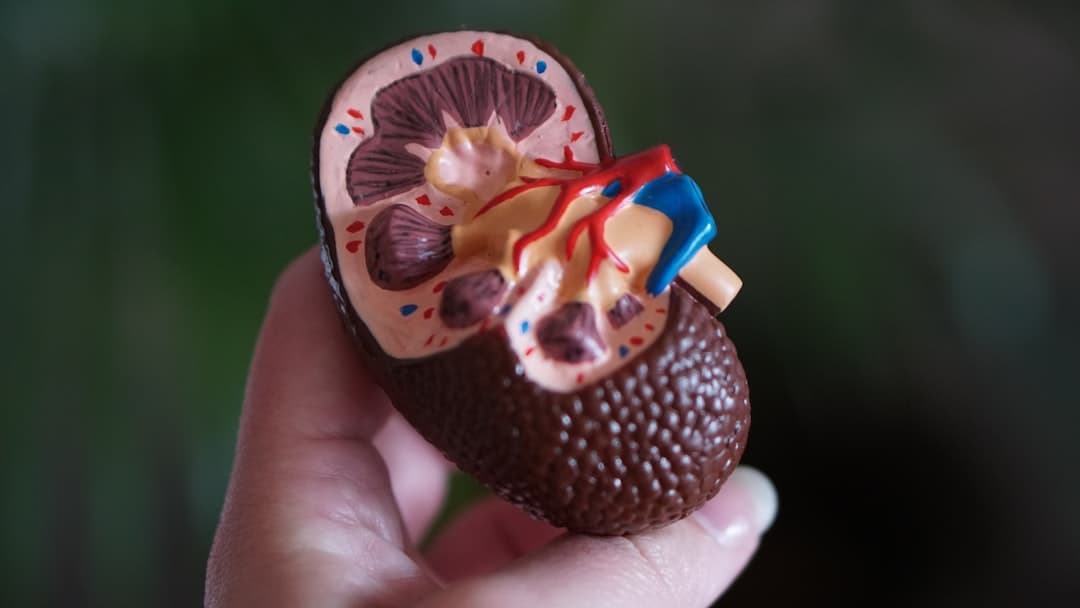
Photo: Robina Weermeijer / Unsplash
Urology documentation, from clinic to OR
Urology moves between settings faster than most specialties. A morning can run from a BPH follow-up and a hematuria workup in clinic, to a cystoscopy or prostate biopsy in the procedure room, to a ureteroscopy or TURP in the OR. Each setting needs a different note, and the office visits carry a dense genitourinary history: voiding symptoms scored on the IPSS, erectile and ejaculatory function, stone history, and the current medication list.
Cancer surveillance is its own documentation load. Prostate active surveillance, bladder cancer follow-up, and post-prostatectomy monitoring all turn on numbers that have to be tracked over time. A PSA of 5.8 means one thing in isolation and another when the last three values were 3.1, 4.0, and 4.9. Getting that trend, the prior biopsy Gleason grade, and the imaging into a note by hand is slow, and it is easy to leave a value out when clinic is busy.
Transcribe Health listens to the visit, or to your narration after a procedure, and drafts a note that puts the urologic detail where it belongs: the PSA and its trend, IPSS and post-void residual, cystoscopy findings, drug names and doses, and the reasoning behind your assessment. You read it and sign. Nothing is filed without you.
Documentation Challenges in Urology
- 1
Charting across three settings in one day: clinic visits, in-office procedures like cystoscopy and prostate biopsy, and OR cases such as TURP or ureteroscopy
- 2
Tracking PSA trends, biopsy results, and imaging over years of active surveillance and post-treatment cancer follow-up, where a single number changes the plan
- 3
Recording a detailed genitourinary history and exam, including sexual and voiding function, without the note reading as terse or the patient feeling rushed
How Transcribe Health Helps Urology
In-Office Procedure Reports
Turns your narration during or after a cystoscopy, prostate biopsy, or stent exchange into a structured report with the findings and technique.
Surveillance Tracking
Puts the PSA value, IPSS, post-void residual, and imaging findings you cite into the note, so the trend is captured at each visit.
GU History and Exam Capture
Records voiding symptoms, sexual function, and the focused exam from the conversation without you retyping a full review of systems.
A urology note, captured in real time
An abridged follow-up for BPH with lower urinary tract symptoms, drafted the way you would see it before signing.
67-year-old man returning for follow-up of lower urinary tract symptoms attributed to benign prostatic enlargement. On tamsulosin 0.4 mg nightly for four months. Reports weaker stream, nocturia three times a night, and occasional hesitancy. IPSS today is 18 (moderate to severe), down from 24 at baseline. No gross hematuria, dysuria, or fever. No urinary retention. Denies new erectile dysfunction beyond his baseline. Tolerating tamsulosin without dizziness.
BP 128/78, afebrile. Abdomen soft, no suprapubic fullness. Digital rectal exam: smoothly enlarged prostate, approximately 45 g, no nodules or induration. Post-void residual by bladder scan 90 mL. Uroflowmetry today: Qmax 9 mL/s on a voided volume of 240 mL. PSA 2.4 ng/mL, stable from 2.3 a year ago. Urinalysis negative for blood and leukocyte esterase.
1) Benign prostatic hyperplasia with lower urinary tract symptoms, partial response to alpha-blocker, IPSS improved from 24 to 18. 2) Prostate enlargement approximately 45 g on exam. 3) PSA 2.4, stable, no current indication for biopsy. 4) No evidence of retention; post-void residual acceptable at 90 mL.
Continue tamsulosin 0.4 mg nightly. Given persistent symptoms and gland size, add finasteride 5 mg daily and counsel on the expected PSA drop of roughly 50% by six months, with the corrected value used for future screening. Reviewed sexual side effects of both agents. Continue the voiding diary. Repeat PSA and IPSS in six months. Return sooner for retention, fever, or gross hematuria. Discussed surgical options (TURP) if medical therapy fails.
Illustrative example. Not a real patient encounter.
Built for urology coding and your EMR
Notes capture the data you reviewed, the problem complexity, and the risk that back up your E/M level and a procedure's medical necessity. That is the detail auditors look for, and the first thing to slip when charting is rushed.
- 99204 / 99205New-patient visit, moderate to high complexity
- 99214 / 99215Established-patient follow-up, moderate to high complexity
- 52000Cystourethroscopy, diagnostic (separate procedure)
- 51741Complex uroflowmetry (uroflow)
- 51798Post-void residual measurement by ultrasound, non-imaging
- 55700Needle biopsy of prostate, any approach
- N40.1Benign prostatic hyperplasia with lower urinary tract symptoms
- R31.9Hematuria, unspecified
- N20.0Calculus of kidney
- R97.20Elevated prostate specific antigen (PSA)
- N39.0Urinary tract infection, site not specified
Fits the workflow you already have
Drafts drop into the major EMRs urology groups run on: Epic, Oracle Health (Cerner), and athenahealth. You get whatever note type you are working in, a clinic visit, a cystoscopy or biopsy report, or a surveillance follow-up. It writes up the findings you dictate for a scope or procedure. It does not read images or pull results from your PACS or lab system; you cite the PSA, pathology, or imaging and it records what you say.
What's Happening in Urology
Urologists Spend 16+ Hours Per Week on Documentation
Administrative burden continues to climb in urology, with practising urologists spending an average of 16 hours per week on documentation and charting, time that could be spent with patients.
AI transcription directly targets the documentation burden, allowing urologists to complete notes during or immediately after patient encounters rather than during evenings and weekends.
Read moreActive Surveillance for Prostate Cancer Reaches Record Adoption
Active surveillance for low-risk prostate cancer now exceeds 60% adoption, creating increased documentation needs for systematic PSA tracking, imaging schedules, and risk restratification at each visit.
Active surveillance requires meticulous longitudinal documentation. AI transcription captures surveillance visit details, trending data, and clinical decision rationale in structured records.
Read moreTelehealth Adoption in Urology Doubles Post-Pandemic
Virtual urology visits have stabilised at roughly twice pre-pandemic levels, with follow-up consultations and post-operative checks being the most common use cases.
Virtual urology visits require the same documentation rigour as in-person encounters. AI transcription captures telehealth consultations in real time, generating structured notes without additional charting effort.
Read moreUrology AI scribe questions
Does it understand urology terminology and drug names?
Can it document in-office procedures, or only clinic visits?
Does it help track PSA and surveillance over time?
How is patient information protected?
Does it connect to our EMR and lab or imaging systems?
Ready to Transform Your Documentation?
Join thousands of healthcare providers who save hours every day with AI-powered medical transcription.
Start Free Trial