AI Scribe for Pulmonology
Transcribe Health drafts your clinic, PFT, and procedure notes while you work, so the respiratory detail is on the page before you leave the room.
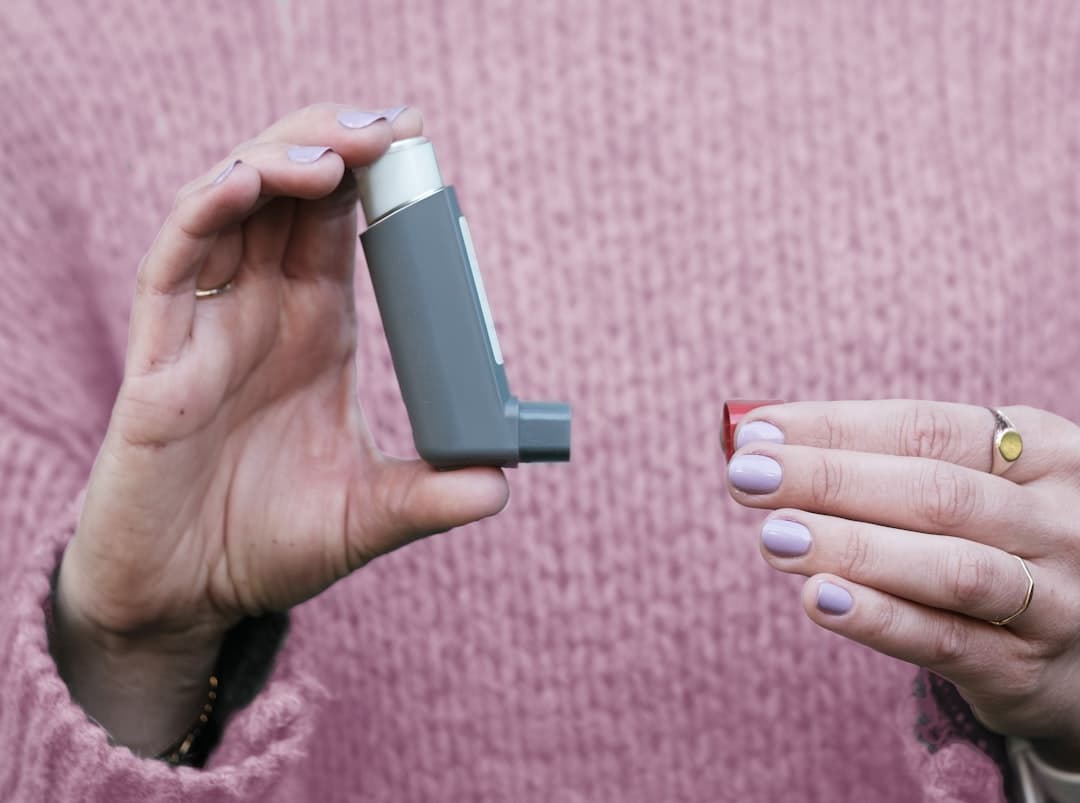
Photo: CNordic Nordic / Unsplash
Pulmonology documentation, from clinic to bronch suite
Pulmonology runs on two very different kinds of notes. There are cognitive visits (new consults, COPD and asthma follow-ups, ILD surveillance, nodule tracking), where the PFT numbers, the chest CT read, the oxygen saturation, and the current inhaler plan all have to come together in one note. Then there is procedural work in the bronchoscopy suite, which needs a structured report precise enough to survive billing and audit review.
Both are dense. A single COPD follow-up can touch FEV1 percent predicted, GOLD stage, exacerbation count, oxygen use, and a two- or three-inhaler regimen, and each one needs the actual value and the reason behind it. Spirometry and full PFTs add another layer, since the pre- and post-bronchodilator numbers and the DLCO only mean something once you have written down how you read them. By hand that is either typing through clinic or dictating late into the evening.
Transcribe Health listens to the visit, or to your narration after a procedure, and drafts a note that puts the respiratory detail where it belongs: FEV1 and FVC, GOLD stage, inhaler names and doses, and the reasoning behind your assessment. You read it and sign. Nothing is filed without you.
Documentation Challenges in Pulmonology
- 1
Recording spirometry and full PFT interpretation (FEV1, FVC, FEV1/FVC ratio, DLCO, bronchodilator response) in a narrative that ties the numbers to your clinical read
- 2
Tracking chronic disease over years: COPD by GOLD stage, asthma control and step therapy, and interstitial lung disease with its imaging and biopsy history, each with its own inhaler or immunosuppressant regimen
- 3
Writing up bronchoscopy, EBUS-TBNA, and sleep study interpretations with the technical detail billing and audit review require
How Transcribe Health Helps Pulmonology
Pulmonary Procedure Reports
Turns your dictation or post-procedure narration into a structured report for a bronchoscopy, an EBUS-TBNA, or a thoracentesis.
PFT and Imaging Integration Notes
Puts the spirometry values, DLCO, and CT findings you read into the note, in the place they belong.
Inhaler and Chronic Disease Documentation
Records the inhaler regimen, step changes, and oxygen decisions for a COPD or asthma patient without you retyping them.
A pulmonology note, captured in real time
An abridged follow-up from a routine COPD visit after a recent exacerbation, drafted the way you would see it before signing.
68-year-old woman with GOLD group E COPD, seen four weeks after an exacerbation treated with a prednisone taper and azithromycin at her primary care office. Reports her cough and sputum have returned to baseline. Still gets short of breath climbing one flight of stairs but no longer at rest. No fever, no chest pain, no hemoptysis. Former smoker, 40 pack-years, quit 6 years ago. Using her maintenance inhalers but admits she skipped the LABA/LAMA on several mornings before the flare.
BP 128/76, HR 82, RR 16, SpO2 93% on room air. No accessory muscle use at rest. Chest: diffusely decreased breath sounds with a prolonged expiratory phase, scattered end-expiratory wheeze, no crackles. No peripheral edema. Spirometry today: FEV1 1.12 L (48% predicted), FVC 2.35 L, FEV1/FVC 0.48, no significant bronchodilator response. This is down from 54% predicted one year ago.
1) COPD, GOLD group E, FEV1 48% predicted (GOLD 3, severe airflow limitation), one moderate exacerbation in the past month. 2) Suboptimal inhaler adherence, likely contributor to the recent flare. 3) Former tobacco use, in remission.
Continue tiotropium/olodaterol (Stiolto) once daily and add inhaled fluticasone/salmeterol given the exacerbation history and eosinophil count of 340. Reviewed inhaler technique with her at the visit; she demonstrated back correctly. Referred to pulmonary rehabilitation. Confirmed pneumococcal and influenza vaccination are current, RSV vaccine offered and given today. Order a repeat full PFT with DLCO and a low-dose chest CT for lung cancer screening given her smoking history. If she has a second exacerbation this year, consider roflumilast versus chronic azithromycin. Return to clinic in 3 months, sooner if symptoms worsen.
Illustrative example. Not a real patient encounter.
Built for pulmonology coding and your EMR
Notes capture the data you reviewed, the problem complexity, and the risk that back up your E/M level and a procedure's medical necessity. That is the detail auditors look for, and the first thing to slip when charting is rushed.
- 99204 / 99205New-patient consult, moderate to high complexity
- 99214 / 99215Established-patient follow-up, moderate to high complexity
- 94010Spirometry with graphic record, total and timed vital capacity
- 94060Spirometry before and after bronchodilator
- 94729Diffusing capacity (DLCO), reported with a PFT
- 31622 / 31628Diagnostic bronchoscopy, or with transbronchial lung biopsy, single lobe
- J44.9Chronic obstructive pulmonary disease, unspecified
- J45.909Unspecified asthma, uncomplicated
- J84.9Interstitial pulmonary disease, unspecified
- J96.11Chronic respiratory failure with hypoxia
- R91.1Solitary pulmonary nodule
Fits the workflow you already have
Drafts drop into the major EMRs pulmonology groups run on: Epic, Oracle Health (Cerner), and athenahealth. You get whatever note type you are working in, a consult, a procedure report, or a PFT follow-up. It writes up the spirometry, DLCO, and CT interpretations you dictate. It does not read your PFT tracings or chest imaging and it does not replace your PACS; you make the call and it records it.
Pulmonology AI scribe questions
Does it understand pulmonology terminology and drug names?
Can it document procedures, or only office visits?
Does it read PFTs or chest CTs on its own?
How is patient information protected?
Does it connect to our EMR and imaging?
Ready to Transform Your Documentation?
Join thousands of healthcare providers who save hours every day with AI-powered medical transcription.
Start Free Trial