AI Scribe for Podiatry
Transcribe Health drafts your exam, routine care, and procedure notes while you work, so the foot detail is on the page before you leave the room.
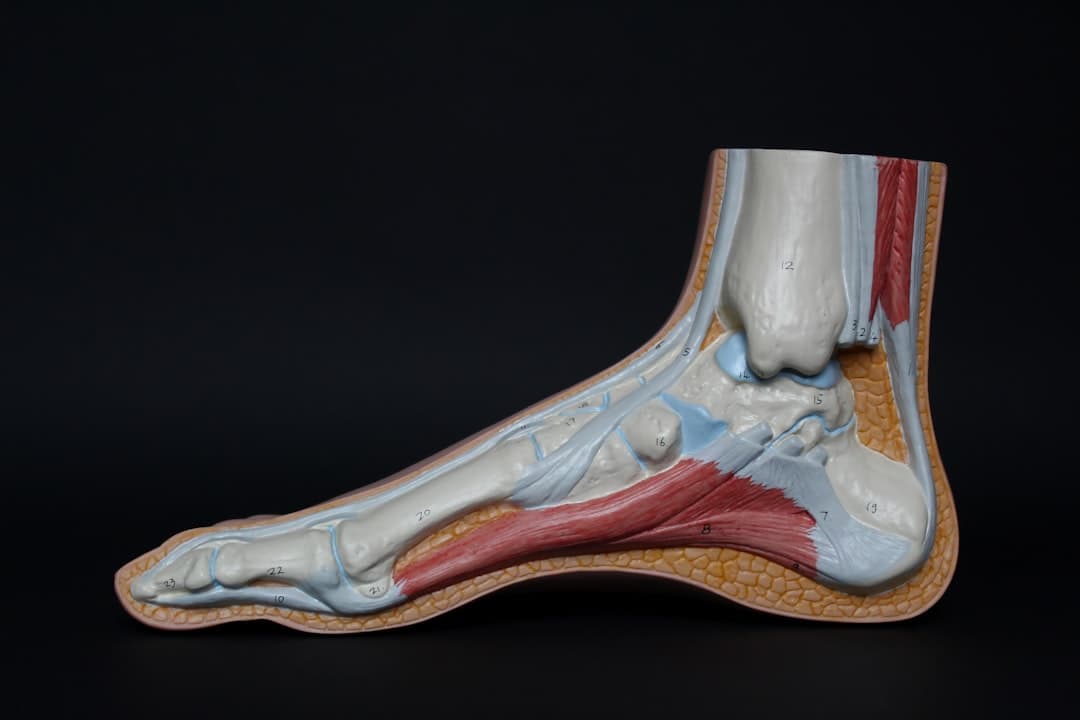
Photo: Anne Nygård / Unsplash
Podiatry documentation, from the foot exam to the procedure
A lot of podiatry runs on the diabetic foot exam. You check pedal pulses, run a 10-gram monofilament at the standard sites, look for calluses, deformity, ulceration, and nail disease, then decide a risk category and how soon the patient comes back. Each of those findings has to be in the note, because it drives the plan and the follow-up interval, and because it is what an auditor reads when a wound shows up later.
Then there is routine care: debriding thick mycotic nails, paring painful calluses and corns. Medicare treats most of this as non-covered unless you document a qualifying systemic condition such as diabetes with neuropathy or peripheral arterial disease, the class findings, and a visit to the treating physician within the required window. Miss any of that in the note and the claim gets denied, whatever you actually did.
Transcribe Health listens to the visit, or to your narration during a procedure, and drafts a note that puts the foot detail where it belongs: pulses and monofilament results, the nail or toe treated, laterality, technique, and the medical-necessity reasoning behind covered care. You read it and sign. Nothing is filed without you.
Documentation Challenges in Podiatry
- 1
Recording the vascular and neurological findings a diabetic foot exam needs: pedal pulses, monofilament testing, skin and nail changes, and the risk-stratification and follow-up interval that follow from them
- 2
Meeting the medical-necessity rules Medicare applies to routine foot care, which pays only when a qualifying systemic condition and a recent treating-physician visit are documented
- 3
Writing up in-office procedures such as nail debridement, callus paring, nail avulsion, and wound care with the anatomy, laterality, and technique that coding and audit review require
How Transcribe Health Helps Podiatry
Diabetic Foot Exam Notes
Puts the pulses, monofilament results, and skin and nail findings you call out into a structured exam, with your risk category and follow-up plan.
Routine Foot Care Documentation
Records the systemic diagnosis, class findings, and treating-physician detail that support medical necessity for covered nail and callus care.
In-Office Procedure Reports
Turns your narration during a debridement, matrixectomy, or wound debridement into a note with the toe or nail treated, laterality, and technique.
A podiatry note, captured in real time
An abridged diabetic foot exam with early neuropathy, drafted the way you would see it before signing.
58-year-old man with type 2 diabetes for 11 years, here for a routine diabetic foot check. Reports intermittent numbness and tingling in both feet, worse at night. No new ulcers, no drainage, no foot pain with walking. Last HbA1c 7.8%. Wears diabetic shoes most days. No prior foot ulcer or amputation.
Dorsalis pedis and posterior tibial pulses 2+ and symmetric bilaterally. Capillary refill under 3 seconds. 10-gram Semmes-Weinstein monofilament absent at the hallux and first and third metatarsal heads bilaterally, intact at the heel. Vibratory sensation reduced at both great toes. Skin intact, no ulceration or fissuring. Mild hallux valgus bilaterally. Nails thickened and discolored on both great toes consistent with onychomycosis. Callus over the plantar first metatarsal heads, no underlying breakdown.
1) Type 2 diabetes with diabetic peripheral neuropathy, loss of protective sensation confirmed by monofilament. 2) Onychomycosis of both great toenails. 3) Plantar keratosis over the first metatarsal heads. Palpable pedal pulses, no evidence of peripheral arterial disease or active ulceration. Risk category 2 (loss of protective sensation without deformity beyond mild hallux valgus or prior ulcer).
Debrided mycotic nails and pared plantar calluses today. Reviewed daily foot inspection, proper footwear, and not walking barefoot. Continue diabetic shoes. Refer to primary care for glycemic optimization given HbA1c 7.8%. Return in 9 weeks for routine foot care given loss of protective sensation and mycotic nails. Advised to call or present sooner for any new redness, drainage, or ulceration.
Illustrative example. Not a real patient encounter.
Built for podiatry coding and your EMR
Notes capture the systemic diagnosis, the class findings, and the anatomy and technique that back up an E/M level and a procedure's medical necessity. For routine foot care that necessity trail is exactly what payers audit, and the first thing to slip when charting is rushed.
- 99213 / 99214Established-patient office visit, low to moderate complexity
- 11720 / 11721Debridement of nails, 1 to 5 and 6 or more
- 11055 / 11056Paring or cutting of benign hyperkeratotic lesion, single and 2 to 4
- 11730Avulsion of nail plate, single
- 11750Excision of nail and matrix, permanent removal for ingrown nail
- G0127Trimming of dystrophic nails, any number
- E11.42Type 2 diabetes mellitus with diabetic polyneuropathy
- L60.0Ingrowing nail
- B35.1Tinea unguium (onychomycosis)
- L84Corns and callosities
- M72.2Plantar fascial fibromatosis (plantar fasciitis)
Fits the workflow you already have
Drafts drop into the EMRs podiatry practices actually run on: athenahealth, eClinicalWorks, NextGen, and podiatry-specific systems like TSI Healthcare and PowerChart based setups. You get whatever note type you are working in, a diabetic foot exam, a routine care visit, or a procedure report. It writes up the pulses, monofilament results, and technique you dictate. It does not measure sensation or read imaging for you; you make the call and it records it.
Podiatry AI scribe questions
Does it understand podiatry terminology?
Can it help with routine foot care medical necessity?
Can it document procedures, or only office visits?
How is patient information protected?
Does it connect to our EMR?
Ready to Transform Your Documentation?
Join thousands of healthcare providers who save hours every day with AI-powered medical transcription.
Start Free Trial