AI Scribe for Neurology
Transcribe Health drafts your consult and follow-up notes while you examine the patient, so the neuro exam and your reasoning are on the page before you leave the room.
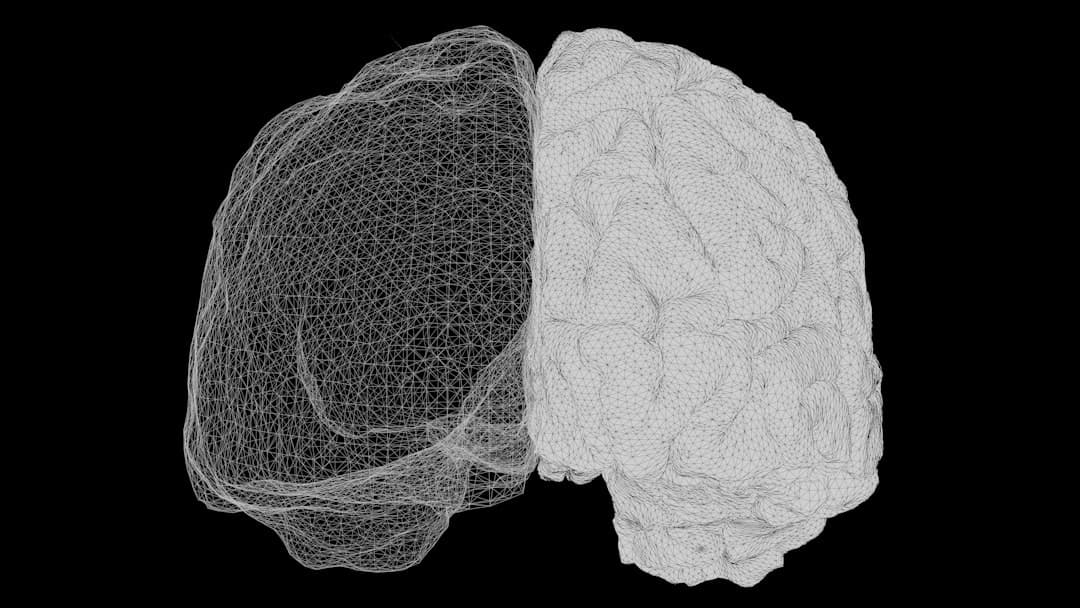
Photo: Shawn Day / Unsplash
Neurology documentation, from the exam to the follow-up
Neurology notes are long because the exam is long. A single visit can run through mental status, cranial nerves II through XII, motor bulk and tone, power graded in each limb, deep tendon reflexes with plantar responses, sensory testing across modalities, finger-to-nose and heel-to-shin, and gait including tandem and Romberg. Every finding matters, because the pattern is what points to the lesion. Leaving one line out can change where the problem localizes.
Then there is the history, which in neurology is rarely simple. A seizure follow-up needs the count since the last visit, the medication levels, and any breakthrough events. An MS visit tracks relapses, new symptoms, and disability over time. Parkinson care follows motor fluctuations, dyskinesia, and the timing of each levodopa dose. Migraine management lives on headache days, triggers, and what the abortive and preventive drugs are actually doing. All of it has to carry forward accurately from one note to the next.
Transcribe Health listens to the visit and drafts a note that keeps the exam in order and puts your reasoning where it belongs: the localization, the differential, and the plan for imaging or testing. It writes up the EEG or EMG impression you dictate. You read the draft and sign it. Nothing is filed without you.
Documentation Challenges in Neurology
- 1
Recording the full neurological exam, from mental status and cranial nerves II through XII to motor tone, reflexes, sensory testing, coordination, and gait, in the structured order a reviewer expects
- 2
Writing the localization reasoning that ties the exam findings to a lesion, so the assessment shows why you ordered the MRI, the EEG, or the lumbar puncture
- 3
Tracking chronic disease over years of visits, including seizure frequency in epilepsy, EDSS and relapses in MS, motor fluctuations in Parkinson disease, and headache days and triggers in migraine
How Transcribe Health Helps Neurology
Full Neuro Exam Capture
Puts the exam into its usual sections as you narrate it: mental status, cranial nerves, motor, reflexes, sensory, coordination, and gait.
Chronic Condition Follow-ups
Carries the numbers that matter across visits, like seizure counts, headache frequency, EDSS, and medication changes, so the trend is clear.
Diagnostic Test Notes
Writes up the EEG, EMG, or nerve conduction impression you dictate and places it with the clinical context it belongs to.
A neurology note, captured in real time
An abridged follow-up from a routine epilepsy visit, drafted the way you would see it before signing.
34-year-old woman with focal epilepsy, seen for routine follow-up. Reports two focal aware seizures in the past three months, both brief, with the usual rising epigastric sensation and no progression to a bilateral tonic-clonic event. Last seizure was five weeks ago. Adherent to levetiracetam 1000 mg twice daily. Sleep has been irregular with a new work schedule, which she suspects is a trigger. Denies mood changes, rash, or new medications. Not currently driving, aware of the seizure-free interval required by the state.
Alert, oriented, fluent speech, normal attention and recall. Cranial nerves II through XII intact: pupils equal and reactive, visual fields full to confrontation, extraocular movements full, face symmetric, tongue midline. Motor: normal bulk and tone, power 5/5 in all four limbs. Reflexes 2+ and symmetric, plantar responses flexor. Sensation intact to light touch and pinprick. Finger-to-nose and heel-to-shin normal, no dysmetria. Gait normal including tandem, Romberg negative.
1) Focal epilepsy, partially controlled. Two focal aware seizures in three months, likely provoked by sleep deprivation rather than loss of drug efficacy. 2) Sleep irregularity, a modifiable seizure trigger.
Continue levetiracetam 1000 mg twice daily. Increase to 1500 mg twice daily if seizures recur before the next visit, discussed with the patient. Counseled on sleep hygiene and a consistent schedule. Check a levetiracetam level and basic metabolic panel today. Reviewed driving restrictions; she must be seizure-free for the state-required interval before resuming. Routine outpatient EEG ordered to reassess the focal discharge. Return to clinic in 3 months, sooner if seizure frequency rises.
Illustrative example. Not a real patient encounter.
Built for neurology coding and your EMR
Notes capture the exam detail, the problems you managed, and the data you reviewed that back up your E/M level and the medical necessity of any testing. That is the detail auditors look for, and the first thing to slip when charting is rushed.
- 99204 / 99205New-patient consult, moderate to high complexity
- 99214 / 99215Established-patient follow-up, moderate to high complexity
- 95816Routine EEG, awake and drowsy
- 95819Routine EEG, awake and asleep
- 95886Needle EMG, complete study of one extremity
- 95910Nerve conduction studies, 7 to 8 studies
- G40.209Localization-related focal epilepsy, not intractable, without status epilepticus
- G43.909Migraine, unspecified, not intractable, without status migrainosus
- G35Multiple sclerosis
- G20Parkinson disease
- R51.9Headache, unspecified
Fits the workflow you already have
Drafts drop into the major EMRs neurology practices run on: Epic, Oracle Health (Cerner), and athenahealth. You get whatever note type you are working in, a new consult, a chronic-condition follow-up, or a diagnostic-test report. It writes up the EEG, EMG, and nerve conduction impressions you dictate. It does not read the MRI or interpret imaging for you; you make the call and it records it.
What's Happening in Neurology
Neurology Has 61% Burnout Rate, Highest Among Specialties
Neurology has one of the highest burnout rates at 61%, significantly above the physician average. The number one reason: administration and paperwork, with neurologists spending an average of 17.6 hours per week on charting.
At 17.6 hours per week on documentation, neurology has one of the most severe documentation burdens of any specialty. AI transcription directly targets the primary burnout driver.
Read moreNeurologist Shortage Projected at 19% as Demand Far Outpaces Supply
Demand for neurologists exceeds supply by 19%. The number of neurologists increased by only 598 over the past decade, far from enough to meet demand driven by aging population demographics.
With severe workforce constraints, efficiency gains from AI transcription let existing neurologists handle more patient volume without sacrificing documentation quality.
Read moreStandardized Telehealth Protocol Developed for Cognitive Assessments
A specialized telemedicine protocol created standardized guidelines for neurological, neuropsychological, and neuropsychiatric assessment via telemedicine. The MoCA has been validated for telehealth with scores comparable to face-to-face assessment.
Standardized tele-neurology protocols create new documentation needs. AI transcription can capture cognitive assessment responses, test scores, and clinical observations during virtual evaluations.
Read moreNeurology AI scribe questions
Does it capture the full neurological exam?
Does it understand neurology terminology and drug names?
Can it track a chronic condition across visits?
How is patient information protected?
Does it connect to our EMR and imaging?
Ready to Transform Your Documentation?
Join thousands of healthcare providers who save hours every day with AI-powered medical transcription.
Start Free Trial