AI Scribe for Endocrinology
Transcribe Health drafts your consult and follow-up notes while you work, so the insulin titration, the lab trend, and the plan are on the page before the patient leaves.
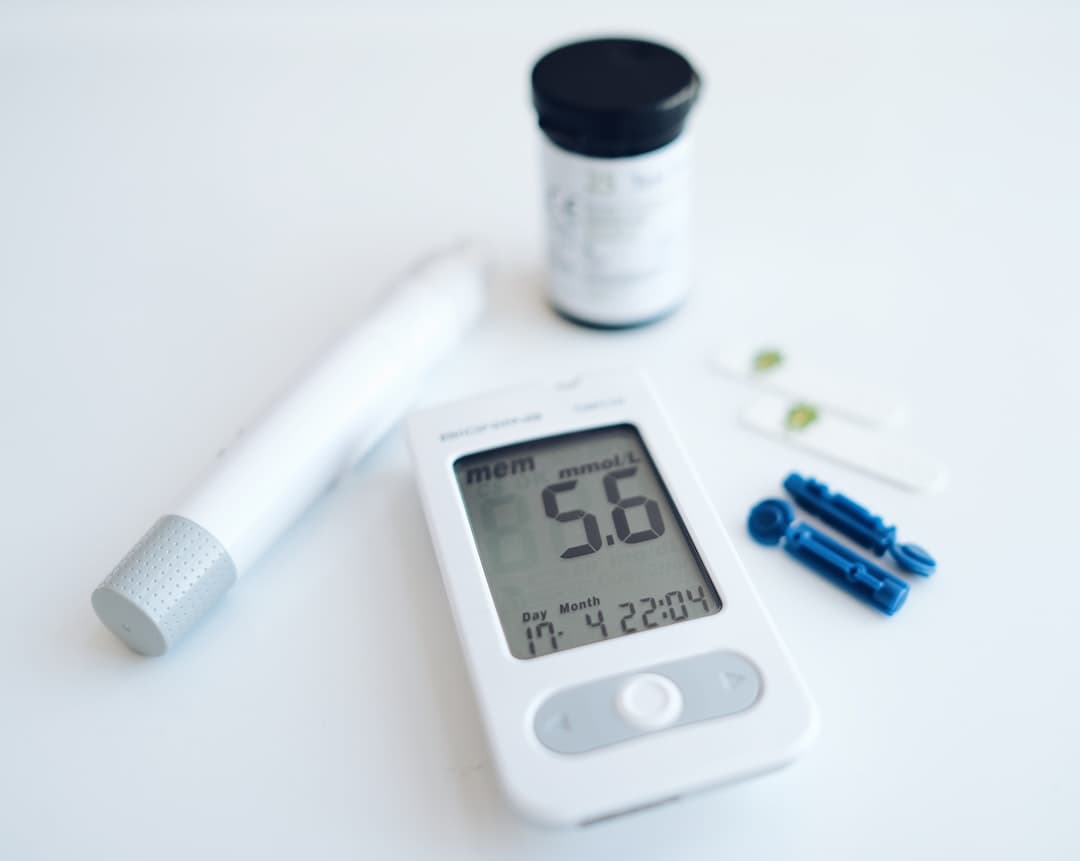
Photo: Jane Korsak / Unsplash
Endocrinology documentation, one lab value at a time
Endocrinology is a numbers specialty. Most visits turn on data: an A1c that moved, a TSH that is still suppressed, a morning cortisol that came back low, a calcium creeping up. The note has to carry those values and the reasoning that connects them, and a follow-up that skips the numbers is a follow-up that will not hold up later.
A single diabetes visit can touch the current regimen, the last three A1c results, home glucose patterns, weight, renal function, and a medication change with exact units. A thyroid or adrenal case adds its own set of results and a differential that shifts with each one. By hand, that means typing through clinic or finishing notes after the last patient has gone home.
Transcribe Health listens to the visit and drafts a note that puts the endocrine detail where it belongs: the insulin units, the drug names, the lab values you read out, and the reasoning behind your assessment. You read it and sign. Nothing is filed without you.
Documentation Challenges in Endocrinology
- 1
Recording insulin and other diabetes medication changes with exact units, timing, and the glucose or A1c data that drove each adjustment
- 2
Documenting thyroid, pituitary, and adrenal workups where the assessment hangs on a specific pattern of TSH, free T4, cortisol, ACTH, and stimulation-test results
- 3
Pulling months of lab trends (A1c, TSH, cortisol, calcium, vitamin D) into a note in a way that shows the direction of travel, not just the latest value
How Transcribe Health Helps Endocrinology
Diabetes Titration Notes
Records the regimen change you make (basal units up, mealtime dose adjusted, a GLP-1 added) with the glucose logs and A1c behind the decision.
Workup Documentation
Captures the reasoning through a thyroid nodule, an adrenal incidentaloma, or a pituitary case, including which labs and imaging you ordered and why.
Lab-Heavy Follow-Ups
Writes the values you reviewed into the note where they belong, so the trend and your interpretation are both on the page.
An endocrinology note, captured in real time
An abridged follow-up for type 2 diabetes with an insulin titration, drafted the way you would see it before signing.
58-year-old woman with type 2 diabetes for 11 years, back for routine follow-up. Reports fasting glucose running in the 160s to 180s on her home meter despite her current regimen. No overnight lows. Occasional afternoon readings above 200 after larger lunches. Adherent to medications. No polyuria, no blurred vision, no numbness or tingling in the feet. Following a lower-carbohydrate diet, walking most days. Last dilated eye exam 8 months ago was normal.
BP 132/78, HR 76, weight 92 kg (down 1.5 kg since last visit), BMI 33. Feet: intact skin, monofilament sensation preserved at all sites, pulses 2+. A1c today 8.4% (was 7.9% three months ago, 8.1% before that). Fasting glucose in clinic 171. eGFR 68, urine albumin-to-creatinine ratio 22 mg/g. Lipid panel: LDL 88 on statin.
1) Type 2 diabetes, uncontrolled, A1c trending up to 8.4% with fasting hyperglycemia as the main driver. 2) Obesity, BMI 33, with modest weight loss this interval. 3) Early diabetic nephropathy, stage suggested by mildly elevated albuminuria with preserved eGFR. 4) Hyperlipidemia, LDL at goal on statin.
Increase insulin glargine from 24 to 30 units at bedtime, with the patient continuing to log fasting glucose and titrating up 2 units every 3 days until fasting readings are 80 to 130, holding for any reading below 80. Continue metformin 1000 mg twice daily. Start semaglutide 0.25 mg weekly for 4 weeks, then increase to 0.5 mg, for glycemic control and weight. Continue atorvastatin. Add an ACE inhibitor, lisinopril 10 mg daily, for albuminuria; recheck urine albumin-to-creatinine ratio and basic metabolic panel in 4 weeks. Repeat A1c in 3 months. Nurse to review injection technique and hypoglycemia signs today. Return in 3 months, sooner if fasting readings stay above 180.
Illustrative example. Not a real patient encounter.
Built for endocrinology coding and your EMR
Notes capture the labs you reviewed, the problem complexity, and the risk of the medications you manage, which is the detail that backs up your E/M level and services like CGM interpretation. That is what auditors look for, and the first thing to slip when charting is rushed.
- 99204 / 99205New-patient consult, moderate to high complexity
- 99214 / 99215Established-patient follow-up, moderate to high complexity
- 95251Continuous glucose monitoring, interpretation and report
- 99091Collection and interpretation of physiologic data (glucose), 30 minutes over 30 days
- 76536Ultrasound of the neck and thyroid, soft tissue
- 76942Ultrasound guidance for thyroid fine-needle aspiration
- E11.65Type 2 diabetes mellitus with hyperglycemia
- E03.9Hypothyroidism, unspecified
- E05.90Thyrotoxicosis, unspecified, without thyrotoxic crisis
- E27.40Unspecified adrenocortical insufficiency
- E04.1Nontoxic single thyroid nodule
Fits the workflow you already have
Drafts drop into the major EMRs endocrinology practices run on: Epic, Oracle Health (Cerner), and athenahealth. You get whatever note type you are working in, a new consult, a diabetes follow-up, or a nodule workup. It writes up the labs and the regimen changes you dictate, with insulin units and drug names spelled correctly. It does not pull results from your lab system or read images for you; you review those and it records what you decide.
Endocrinology AI scribe questions
Does it get insulin regimens and drug names right?
Can it handle the lab detail a follow-up depends on?
Will it help with coding for visits and CGM interpretation?
How is patient information protected?
Does it connect to our EMR?
Ready to Transform Your Documentation?
Join thousands of healthcare providers who save hours every day with AI-powered medical transcription.
Start Free Trial