
Ambient AI Listening for Clinical Documentation: What Physicians Need to Know
How ambient clinical intelligence captures patient encounters automatically, and what providers should consider before adopting it.

By Fatih Aktas, Founder & CEO
Published
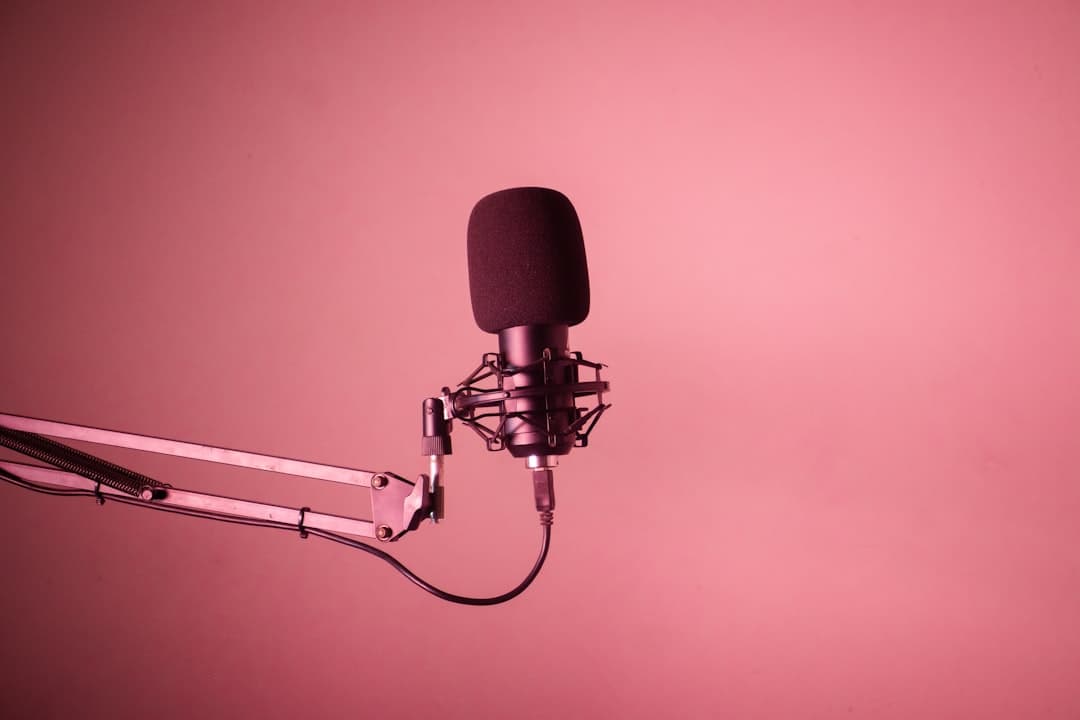
The exam room without a keyboard
Picture a clinic visit where the physician doesn't touch a computer. No clicking through dropdown menus. No typing while the patient talks. No staring at a screen instead of making eye contact.
The physician listens. Examines. Converses. And when the visit ends, a structured clinical note is already drafted.
This is ambient AI listening, and it's reshaping how clinical documentation happens.
How ambient clinical intelligence works
Ambient AI is different from dictation. With dictation, the physician speaks to the computer after the visit, narrating what happened. With ambient listening, the AI captures the natural conversation between provider and patient during the visit and converts it into documentation automatically.
The technology sits quietly in the background. No special commands. No "start recording" button (though most platforms do require a simple tap to begin for consent purposes). The physician conducts the visit as they normally would.
Heres what happens under the hood:
- Audio capture begins when the encounter starts, typically through a mobile device, laptop microphone, or dedicated room hardware
- Multi-speaker recognition identifies who is talking - the physician, the patient, a family member, or a nurse
- Real-time transcription converts the conversation to text as it happens
- Clinical extraction pulls out the relevant medical information: symptoms, exam findings, assessments, and plans
- Note generation assembles the extracted data into a structured clinical note
The entire pipeline runs in seconds. By the time the physician walks to their next exam room, the note is ready for review.
What ambient AI captures that dictation misses
Dictation relies on the physicians memory. They reconstruct the visit after it ends, which means details get lost. Physicians omit roughly 18% of discussed plan elements when documenting from memory.
Ambient listening captures everything said during the encounter. The patients exact words about symptom onset. The back-and-forth about medication side effects. The nuance of a shared decision about treatment options.
This produces richer documentation. Instead of "patient reports chest pain," the note can reflect "patient describes intermittent substernal chest pressure for 3 days, occurring with exertion, relieved by rest, no radiation." That level of detail was in the conversation - it just gets lost when the physician tries to remember it two hours later.
Patient consent and the privacy conversation
This is the part that trips up practices. Having an AI listen to a patient encounter requires informed consent, and the approach matters.
Best practices for ambient AI consent:
- Inform patients at check-in with clear signage and verbal explanation
- Explain what the technology does - it listens to generate clinical notes, not to record for other purposes
- Make it optional - patients should be able to decline without affecting their care
- Document consent in the patient record
- Clarify data handling - how long audio is retained, who can access it, how it's encrypted
Most patients are surprisingly receptive. Health system studies report acceptance rates above 90% when the technology is explained clearly. Patients appreciate that their physician can focus on them instead of a computer screen.
The physicians who struggle with adoption are often the ones who present it apologetically. Frame it as a tool that improves the visit experience, because it genuinely does.
Clinical workflow integration
Ambient AI fits differently into different specialties:
Primary care and family medicine. This is the sweet spot. Encounters are conversational, follow predictable patterns, and involve a mix of history-taking, physical exam, and care planning. Ambient AI handles these exceptionally well.
Specialties with procedures. Dermatology, orthopedics, and similar specialties benefit from ambient capture during the pre-procedure conversation and post-procedure summary. The procedure itself typically has separate documentation requirements.
Psychiatry and behavioral health. These visits are almost entirely conversational, making them ideal for ambient AI. However, the sensitivity of the content means encryption and access control requirements are especially high.
Surgery. Pre-operative and post-operative conversations work well with ambient capture. Operative notes require different tools and workflows.
Pediatrics. Multiple speakers (child, parent, sometimes interpreter) add complexity. Modern ambient AI handles this, but accuracy may dip slightly compared to two-speaker encounters.
Common concerns and honest answers
"Will it pick up everything in a noisy clinic?" Modern noise cancellation handles typical clinic environments well. If your exam rooms have paper-thin walls or your HVAC system sounds like a jet engine, audio quality may need attention. Most issues are solved by microphone placement rather than software.
"What if I don't want certain things in the note?" Good platforms let you pause recording or exclude sections during review. The AI captures everything, but you control what ends up in the chart.
"Does it slow down my workflow?" The opposite. Physicians consistently report saving 1-2 hours daily on documentation after adopting ambient AI. The visit itself isn't any longer. The documentation that used to happen after hours now happens automatically.
"What about multilingual encounters?" Platform support varies. Some handle Spanish-English encounters natively. Others require the conversation to happen primarily in one language. If your practice regularly conducts bilingual visits, test this capability specifically during your evaluation.
The shift in clinical documentation
Ambient AI isn't just a faster way to write notes. It's a different relationship between physicians and documentation.
For the first time in the EHR era, documentation happens as a byproduct of patient care rather than a separate task that competes with it. The physician who chose medicine to help patients - not to type into a computer - finally gets to practice that way.
For the broader category context — what "ambient clinical intelligence" actually means, where it succeeds, and where it's still overhyped — see ambient clinical intelligence explained. For a side-by-side comparison of the leading ambient AI platforms, see our 2026 AI medical scribe comparison.
Transcribe Health provides ambient AI listening with real-time note generation, multi-language support, and HIPAA-compliant encryption for every encounter. Try it free in your next clinic session.
Related Articles
Ambient Clinical Intelligence Explained: What It Is and What It Isn't
Ambient clinical intelligence is the umbrella term for AI that listens to patient encounters and generates documentation. Here's what it actually means in 2026 and how it compares to ambient AI scribes.
AI TechnologyHow NLP (Natural Language Processing) Powers Clinical Documentation
A clear explanation of how NLP technology turns doctor-patient conversations into structured clinical notes, and why it matters for healthcare.
AI TechnologyBeyond the Transcript: How Multimodal AI Scribes Are Learning to Capture the Exam
Most AI scribes only hear the visit. Multimodal documentation adds vision and structured data to capture what the conversation alone misses, and it raises new privacy questions worth understanding.
Ready to Try AI-Powered Documentation?
Join thousands of healthcare providers saving hours every day with Transcribe Health.
Start Free Trial