How AI Scribes Are Changing Medical Education
AI scribes are reshaping how medical students learn clinical documentation. Here's what's changing in medical schools and residency programs.

By Fatih Aktas, Founder & CEO
Published
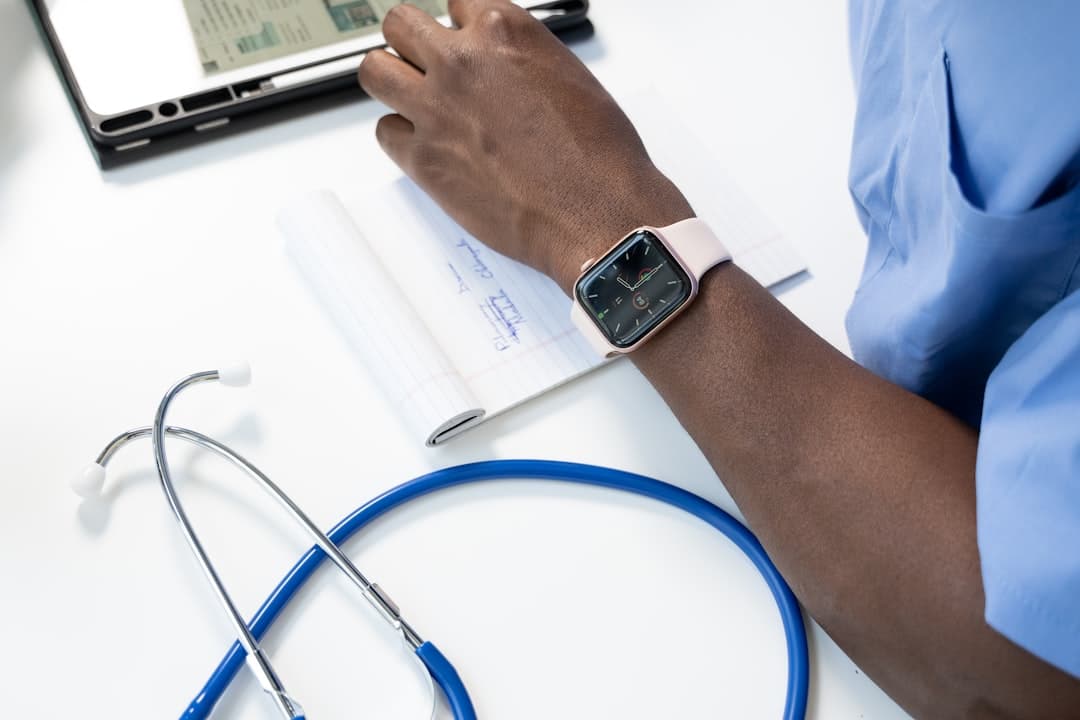
Medical schools are teaching documentation differently now
For decades, learning to write clinical notes was a rite of passage. Medical students spent hours crafting SOAP notes by hand, getting red-pen feedback from attendings and gradually developing their documentation style through repetition.
That model is breaking down. When AI can generate a complete clinical note in seconds, the skill set medical students need around documentation is fundamentally different. It's not about writing notes anymore. It's about evaluating, editing and validating AI-generated notes.
Several medical schools have already updated their curricula. Stanford, UCSF and the University of Toronto now include AI documentation tools in clinical skills training. Students learn to use AI scribes alongside traditional note-writing, not instead of it. The reasoning is practical: these students will graduate into a world where AI documentation is standard, and they need to know how to work with it.
The documentation skills that still matter
AI doesn't eliminate the need for documentation knowledge. It changes what that knowledge looks like.
Clinical reasoning documentation remains a purely human skill. AI can capture what was said and done during a visit. It cannot document why the physician chose one treatment over another or how they weighed competing diagnoses. Students still need to learn how to articulate clinical reasoning clearly.
Note review and error detection is arguably more important now than note-writing ever was. When a physician writes their own note they know what they intended. When an AI writes the note, the physician needs to catch errors they didn't create. This requires a different kind of attention.
Understanding documentation standards hasn't changed. Students still need to know E/M coding logic, CMS documentation requirements and payer-specific rules. They just need to know them in the context of evaluating AI output rather than generating documentation from scratch.
Specialty-specific documentation patterns matter because AI doesn't always get specialty nuances right. A psychiatry resident needs to know what a proper mental status exam note looks like to assess whether the AI captured it correctly.
How residency programs are adapting
Residency is where documentation meets clinical reality, and where AI scribes are having their biggest educational impact.
Time redistribution: Residents using AI scribes report spending 40-60% less time on documentation. That freed time goes toward direct patient care, reading medical literature and sleep. All three improve training quality.
Note quality improvement: AI-generated notes often serve as teaching tools. Attendings can compare the AI draft with what the resident would have written, identifying gaps in the resident's clinical observation or documentation habits.
Faster feedback loops: When notes are generated immediately after the encounter, attending physicians can review them the same day rather than chasing residents for late documentation. The feedback is more relevant because the encounter is fresh in everyone's mind.
Reduced documentation anxiety: New interns are notorious for spending excessive time on notes, sometimes 2-3 hours per patient in their first weeks. AI scribes reduce this learning curve dramatically, letting interns focus on clinical reasoning rather than formatting.
Some program directors worry this creates a crutch. If residents never learn to write notes efficiently, what happens when the AI fails? It's a fair concern. Most programs address it by requiring residents to write notes manually for a portion of their training, then transition to AI-assisted documentation.
The scribing pathway question
Medical scribing was a popular pre-med activity. Roughly 20,000 people worked as medical scribes in the US, many of them aspiring physicians looking for clinical exposure before medical school.
AI scribes are eliminating many of these positions. This creates a pipeline problem for medical schools that valued scribing experience in admissions.
But new opportunities are emerging. Students can now gain clinical exposure through:
- AI documentation quality assurance roles, reviewing and improving AI-generated notes
- Clinical informatics internships, working on the technology side of healthcare
- Patient navigation positions that were previously unfilled because scribing absorbed the pre-med workforce
- Research assistant roles in clinical AI validation studies
The clinical exposure hasn't disappeared. Its shape has changed.
AI literacy as a core competency
The Association of American Medical Colleges (AAMC) is developing competency frameworks for AI in medical education. Documentation is just one piece of this broader shift.
Medical students graduating in 2026 and beyond need to understand:
- How AI models work at a conceptual level (not engineering depth, but enough to understand limitations)
- When to trust AI output and when to question it
- How to provide feedback that improves AI systems over time
- Ethical considerations around AI in patient care
- Regulatory frameworks governing AI in clinical settings
Canadian medical schools are following a similar trajectory. The Royal College of Physicians and Surgeons of Canada has acknowledged that AI competency will need to be incorporated into CanMEDS frameworks, though specific requirements are still being developed.
What this means for practicing physicians
If you finished training before AI scribes existed, you might feel like you missed the memo. That's normal. But here's the good news: the learning curve for AI documentation tools is short. Most physicians become comfortable within a week.
The medical students coming up behind you will arrive expecting AI documentation as standard. Your practice needs to be ready for them, not just technologically but culturally. If a new resident joins your program and you're still doing everything manually, that's a recruitment and retention problem.
The physicians who adapt earliest become the teachers and leaders in this transition. They're the ones writing the new documentation guidelines, training the residents and shaping how AI tools get implemented in their institutions.
Transcribe Health is designed with an intuitive interface that requires minimal training. Whether you're a medical student seeing your first patients or a seasoned attending adapting to new tools, the platform fits naturally into your clinical workflow.
Related Articles
The State of AI in Healthcare Documentation in 2026
Where AI healthcare documentation stands in 2026, from adoption rates to regulatory shifts and what clinicians should expect next.
Industry TrendsWill AI Replace Medical Scribes Entirely
AI scribes are changing healthcare documentation, but will they fully replace human medical scribes? An honest look at what's likely.
Industry TrendsRural Healthcare and AI Medical Scribes: Closing the Documentation Gap
Rural physicians face unique documentation challenges. AI medical scribes can help close the gap where human scribes and IT support are scarce.
Ready to Try AI-Powered Documentation?
Join thousands of healthcare providers saving hours every day with Transcribe Health.
Start Free Trial