AI Medical Scribe for Physical Therapy and Rehabilitation
PT documentation is time-consuming and metric-heavy. Here's how AI scribes streamline functional assessments, treatment notes and progress tracking.

By Fatih Aktas, Founder & CEO
Published
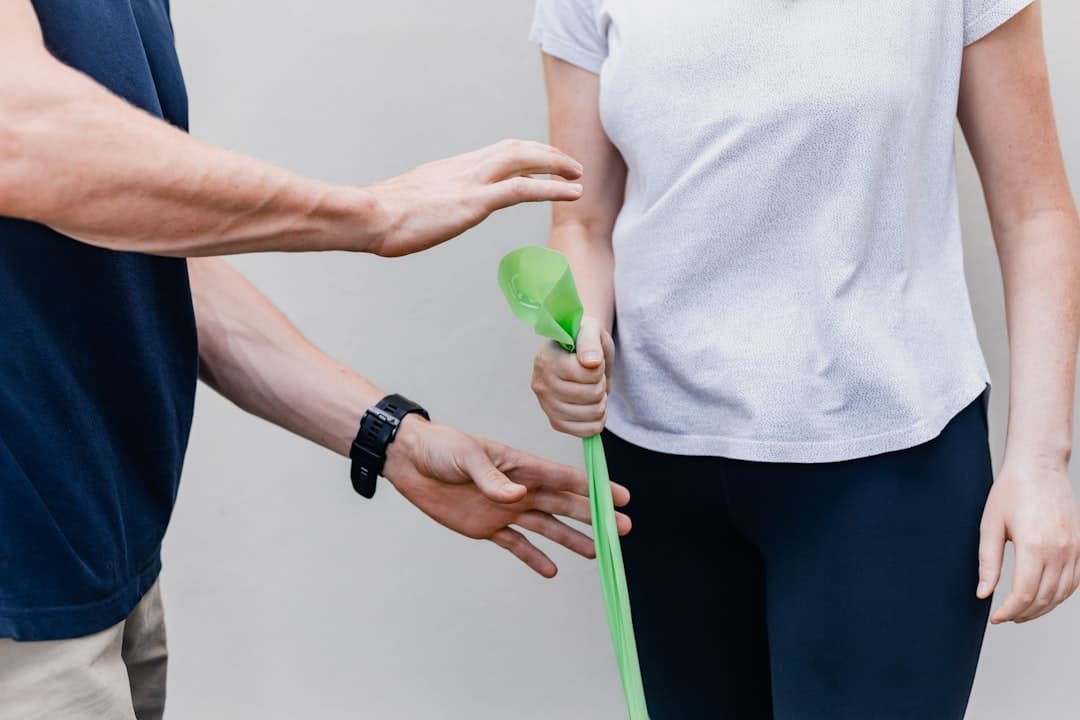
Physical therapists spend too much time writing and not enough treating
Physical therapy has one of the worst documentation-to-treatment ratios in healthcare. PTs commonly report spending 30-45 minutes documenting for every hour of patient treatment. In a field where hands-on patient contact is the actual therapy, this documentation burden directly reduces treatment quality and therapist satisfaction.
The problem stems from payer documentation requirements. Medicare, Medicaid and commercial insurers require detailed functional assessments, measurable goals, treatment justification and progress documentation at regular intervals. Miss any of these elements and the claim gets denied.
AI scribes are a natural fit for physical therapy because PT encounters are highly verbal. Therapists instruct patients, observe movement, describe findings and discuss progress, all out loud. An AI that captures this natural clinical conversation and structures it into compliant documentation eliminates the primary bottleneck in PT workflows.
PT documentation requirements that drive the burden
Physical therapy documentation follows specific frameworks mandated by payers and professional standards.
Initial evaluations are the most documentation-intensive encounters. They require:
- Patient history and mechanism of injury
- Systems review
- Objective measurements (range of motion, strength, functional tests)
- Assessment with clinical reasoning
- Treatment diagnosis
- Prognosis
- Plan of care with measurable, time-bound goals
- Frequency and duration of treatment
A thorough initial evaluation note can take 30-45 minutes to write. With an AI scribe, the therapist conducts the evaluation normally, verbalizes findings and generates the note in a fraction of the time.
Daily treatment notes document each session:
- Interventions performed with parameters (exercise type, sets, reps, resistance, duration)
- Patient response to treatment
- Functional status observations
- Any modifications to the treatment plan
- Home exercise program updates
Progress notes (typically every 10 visits or 30 days) require:
- Reassessment of baseline measurements
- Progress toward established goals (using measurable outcomes)
- Justification for continued treatment
- Updated goals if needed
- Revised plan of care
Discharge summaries document:
- Final functional status compared to baseline
- Goals achieved and not achieved
- Recommendations for continued exercise or follow-up
- Home exercise program provided
How AI scribes handle PT-specific documentation
Functional outcome measures
Physical therapy relies heavily on standardized outcome measures. AI scribes need to recognize and accurately document these assessments.
| Outcome Measure | What It Captures | AI Scribe Requirement |
|---|---|---|
| Oswestry Disability Index | Low back function | Capture score and interpretation |
| DASH | Upper extremity function | Document score changes over time |
| Lower Extremity Functional Scale | Leg/hip/knee/ankle function | Track score progression |
| Timed Up and Go | Balance and mobility | Record time and observations |
| Berg Balance Scale | Fall risk | Document item scores and total |
| 6-Minute Walk Test | Cardiovascular endurance | Capture distance and vital signs |
| Visual Analog Scale | Pain intensity | Note score with activity context |
When a therapist says "Berg Balance today was 42 out of 56, up from 36 at initial evaluation" the AI captures both the current score and the baseline comparison, demonstrating measurable progress that supports continued treatment.
Exercise and intervention documentation
PT treatment sessions involve numerous interventions, each with specific parameters. The AI needs to capture:
- Therapeutic exercise: Exercise name, sets, reps, resistance, any modifications
- Manual therapy: Technique used (joint mobilization grade, soft tissue mobilization, manual stretching), location, duration
- Modalities: Type (ultrasound, electrical stimulation, hot/cold), parameters (frequency, intensity, duration), treatment area
- Neuromuscular re-education: Activity type, level of assistance, patient performance
- Gait training: Distance, assistive device, level of assistance, gait deviations observed
- Patient education: Topics covered, home exercise program modifications
A therapist saying "we did anterior glide mobilizations at the glenohumeral joint, grade 3, for 3 sets of 30 seconds, followed by wall slides 3 sets of 10 and resisted external rotation with yellow band 3 sets of 12" contains dense documentation data. AI scribes trained for PT capture every parameter accurately.
Medical necessity and treatment justification
The documentation element that causes the most denials in PT is inadequate treatment justification. Payers want to see:
- Why the patient needs skilled physical therapy (not just exercise supervision)
- What functional limitations remain that require continued treatment
- Evidence of progress (or clinical explanation for plateau)
- How the intervention relates to the functional goal
AI scribes help here by capturing the therapist's clinical reasoning as they discuss the patient's status. When a therapist explains to a patient why they're modifying an exercise or why a particular approach is needed, that clinical reasoning is exactly what payers want to see in the documentation.
Telehealth PT documentation
Telehealth physical therapy expanded dramatically during COVID and remains common for follow-up visits and exercise progression. Documentation for telehealth PT sessions needs to capture:
- That the session was conducted via telehealth
- The therapist's observations of the patient's movement and exercise performance
- Any limitations in assessment due to the virtual format
- Patient-reported outcomes since they can't be measured directly
- Home environment observations relevant to safety and exercise performance
AI scribes handle telehealth PT sessions by capturing the verbal interaction between therapist and patient, including exercise instruction, movement coaching and progress discussion.
Multi-disciplinary rehabilitation
In rehabilitation settings (inpatient rehab, skilled nursing facilities), PTs work alongside occupational therapists, speech therapists, physicians and nurses. Documentation needs to reflect:
- Coordination with other team members
- Contributions to the interdisciplinary care plan
- Progress toward rehabilitation goals
- Discharge planning input
AI scribes that capture team discussions and care coordination conversations produce more complete documentation than therapists writing notes from memory after a busy rehab day.
What physical therapists should prioritize
When evaluating AI scribes for physical therapy practice:
- Outcome measure recognition - the tool must handle standardized PT assessments
- Exercise parameter accuracy - sets, reps, resistance and modifications need precise capture
- Treatment justification support - clinical reasoning documentation that prevents denials
- Progress tracking - baseline comparisons and goal attainment documentation
- Payer compliance - notes that meet Medicare and commercial insurance requirements
Transcribe Health supports physical therapy documentation with AI that understands functional assessments, exercise parameters and the specific documentation requirements that keep PT claims from getting denied.
Related Articles
Documenting GLP-1 and Weight-Management Visits With an AI Scribe
GLP-1 prescribing has reshaped primary care visits. Here is how an AI scribe captures the dosing, monitoring, side effects, and prior-authorization detail these encounters demand.
Clinical WorkflowsAI Medical Scribe for IVF and Fertility Clinics
IVF documentation is complex, time-sensitive, and detail-critical. Learn how AI scribes handle cycle monitoring, egg retrieval notes, embryo transfer documentation, and fertility-specific workflows.
Clinical WorkflowsAI Medical Scribe for Allergy and Immunology Practices
Allergy and immunology documentation involves complex testing protocols, immunotherapy tracking, and detailed reaction histories. See how AI scribes streamline it all.
Related Resources
Ready to Try AI-Powered Documentation?
Join thousands of healthcare providers saving hours every day with Transcribe Health.
Start Free Trial