AI Medical Scribe for Cardiology Practices
Cardiology documentation involves complex testing, risk stratification and procedural notes. Here's how AI scribes handle cardiac-specific workflows.

By Fatih Aktas, Founder & CEO
Published
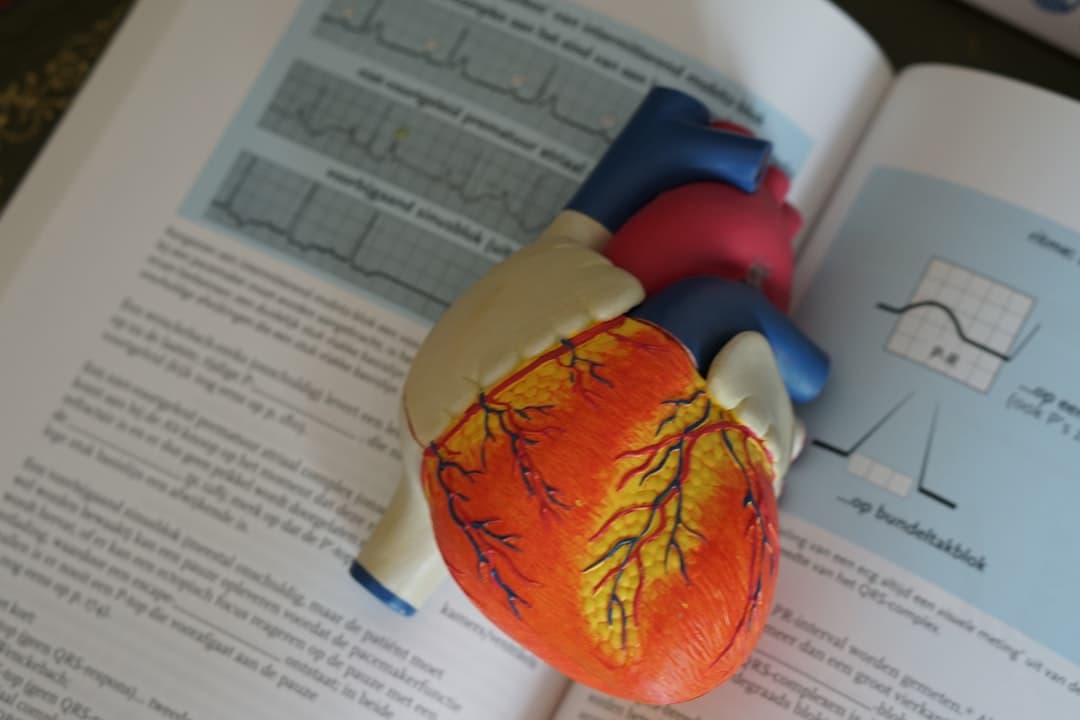
Cardiology generates some of the most complex documentation in medicine
Cardiologists manage patients with conditions that carry high morbidity and mortality. The documentation that supports this care needs to be thorough, precise and defensible. A missed finding in a cardiology note isn't just a documentation gap. It can be a liability issue.
The average cardiologist spends 8.4 hours on EHR work for every 8 hours of clinical time, the highest ratio of any medical specialty according to AMA data. Invasive cardiologists who perform catheterizations and interventional procedures layer procedural documentation on top of already heavy clinic documentation demands.
This documentation burden has real consequences. Cardiology has among the highest burnout rates in medicine, and documentation is the most-cited contributor. AI scribes offer cardiologists a way to reduce this burden without sacrificing the documentation quality that cardiac care demands.
Clinical encounter documentation
Cardiology clinic visits involve unique documentation elements that general AI scribes sometimes handle poorly.
Cardiac-specific history taking
The cardiac history includes symptom characteristics that require precise documentation:
- Chest pain characterization: Location, quality, radiation, duration, aggravating and alleviating factors, associated symptoms. Each element matters for risk stratification. "Substernal pressure radiating to the left arm, lasting 10 minutes, provoked by exertion, relieved by rest" tells a very different story than "chest discomfort, intermittent."
- Dyspnea classification: NYHA functional class documentation (Class I through IV) requires specific functional descriptions. The AI must capture whether dyspnea occurs at rest, with ordinary activity or only with strenuous exertion.
- Palpitation history: Onset pattern (sudden vs. gradual), duration, frequency, associated symptoms and hemodynamic consequences.
- Syncope evaluation: Pre-syncopal symptoms, position at onset, duration of loss of consciousness, post-event symptoms, witness observations.
Cardiovascular examination
The cardiac physical exam generates structured findings:
- Vital signs with cardiac relevance: Blood pressure in both arms, orthostatic measurements, heart rate and rhythm, respiratory rate
- Jugular venous pressure: Estimated height in centimeters with patient positioning
- Cardiac auscultation: Heart sounds (S1, S2, S3, S4), murmur characteristics (grade, timing, location, radiation, quality)
- Vascular exam: Carotid bruits, peripheral pulses grading, edema assessment with location and severity
- Lung exam: Adventitious sounds suggesting heart failure (crackles, pleural effusion)
When a cardiologist says "theres a 3/6 holosystolic murmur best heard at the apex radiating to the axilla, consistent with mitral regurgitation" the AI needs every word captured accurately. Murmur characteristics drive diagnosis and management decisions.
Diagnostic test interpretation
Cardiologists review numerous diagnostic tests during each visit:
Electrocardiogram: Rhythm, rate, intervals (PR, QRS, QT/QTc), axis, ST-T wave changes, comparison with prior ECGs. The AI should capture the cardiologist's interpretation verbatim rather than attempting to interpret the ECG independently.
Echocardiography: Chamber dimensions, wall motion abnormalities, ejection fraction, valvular function, diastolic function parameters, pericardial assessment. A complete echo interpretation contains 15-20 individual measurements and findings.
Stress testing: Protocol used, exercise duration, heart rate and blood pressure response, symptoms during testing, ECG changes, imaging findings (if stress echo or nuclear), interpretation with clinical correlation.
Holter and event monitors: Total recording time, predominant rhythm, arrhythmia types and frequencies, maximum and minimum heart rates, symptom-rhythm correlation.
Cardiac catheterization reports: Hemodynamic measurements, coronary anatomy, stenosis severity and location, intervention details (if PCI performed), complications.
Procedural documentation
Interventional and electrophysiology cardiologists generate substantial procedural documentation.
Cardiac catheterization and PCI
Procedural notes for catheterization include:
| Documentation Element | Details Required |
|---|---|
| Access site | Femoral, radial; right or left; technique (modified Seldinger) |
| Hemodynamics | Pressures in each chamber, gradients, cardiac output |
| Coronary anatomy | Vessel by vessel description of disease severity |
| Intervention details | Vessel treated, lesion characteristics, device used (stent type/size), final result |
| Complications | Documented or stated as none |
| Contrast volume | Total volume administered |
| Fluoroscopy time | Total radiation exposure |
| Access closure | Device used or manual compression duration |
Electrophysiology procedures
EP studies, ablations and device implantations generate detailed procedural notes covering:
- Baseline EP study findings (intervals, inducibility)
- Mapping strategy and findings
- Ablation parameters (catheter type, energy delivery, lesion set)
- Procedural endpoints and success criteria
- Device specifications for implants (manufacturer, model, lead positions, sensing/pacing thresholds)
Device follow-up
Pacemaker and ICD follow-up visits generate documentation including battery status, lead parameters, programmed settings, arrhythmia logs and any programming changes made. AI scribes can capture this when the cardiologist discusses device interrogation findings verbally.
Risk stratification documentation
Cardiology documentation frequently involves formal risk assessment using validated tools:
- HEART score for chest pain evaluation
- CHA2DS2-VASc for atrial fibrillation stroke risk
- HAS-BLED for bleeding risk assessment
- ASCVD risk calculator for primary prevention discussions
- STS score for surgical risk assessment
AI scribes should recognize when these scores are discussed and document both the individual components and the calculated result. Proper risk score documentation supports clinical decision-making and coding complexity.
Anticoagulation management
Many cardiology patients require anticoagulation management. Documentation needs include:
- Indication for anticoagulation with risk score documentation
- Current medication, dose and adherence
- INR results (for warfarin patients)
- Bleeding history and risk assessment
- Drug interaction considerations
- Patient education about anticoagulation
What cardiologists should look for
When evaluating AI scribes for cardiology:
- Cardiac terminology mastery - murmur descriptions, hemodynamic values and EP terminology must be accurate
- Diagnostic test interpretation capture - ECG, echo and stress test findings need structured documentation
- Procedural note support - catheterization and EP procedure documentation
- Risk score awareness - recognition and documentation of cardiac risk assessment tools
- Medication complexity - accurate capture of cardiac medication management with multiple interacting drugs
Transcribe Health supports cardiology documentation with specialty-specific AI that understands cardiac anatomy, hemodynamic terminology and the procedural documentation that makes cardiology one of medicine's most documentation-intensive specialties.
Related Articles
Documenting GLP-1 and Weight-Management Visits With an AI Scribe
GLP-1 prescribing has reshaped primary care visits. Here is how an AI scribe captures the dosing, monitoring, side effects, and prior-authorization detail these encounters demand.
Clinical WorkflowsAI Medical Scribe for IVF and Fertility Clinics
IVF documentation is complex, time-sensitive, and detail-critical. Learn how AI scribes handle cycle monitoring, egg retrieval notes, embryo transfer documentation, and fertility-specific workflows.
Clinical WorkflowsAI Medical Scribe for Allergy and Immunology Practices
Allergy and immunology documentation involves complex testing protocols, immunotherapy tracking, and detailed reaction histories. See how AI scribes streamline it all.
Related Resources
Ready to Try AI-Powered Documentation?
Join thousands of healthcare providers saving hours every day with Transcribe Health.
Start Free Trial